

The AI boom has become large enough to affect the price of resources well outside the technology sector.
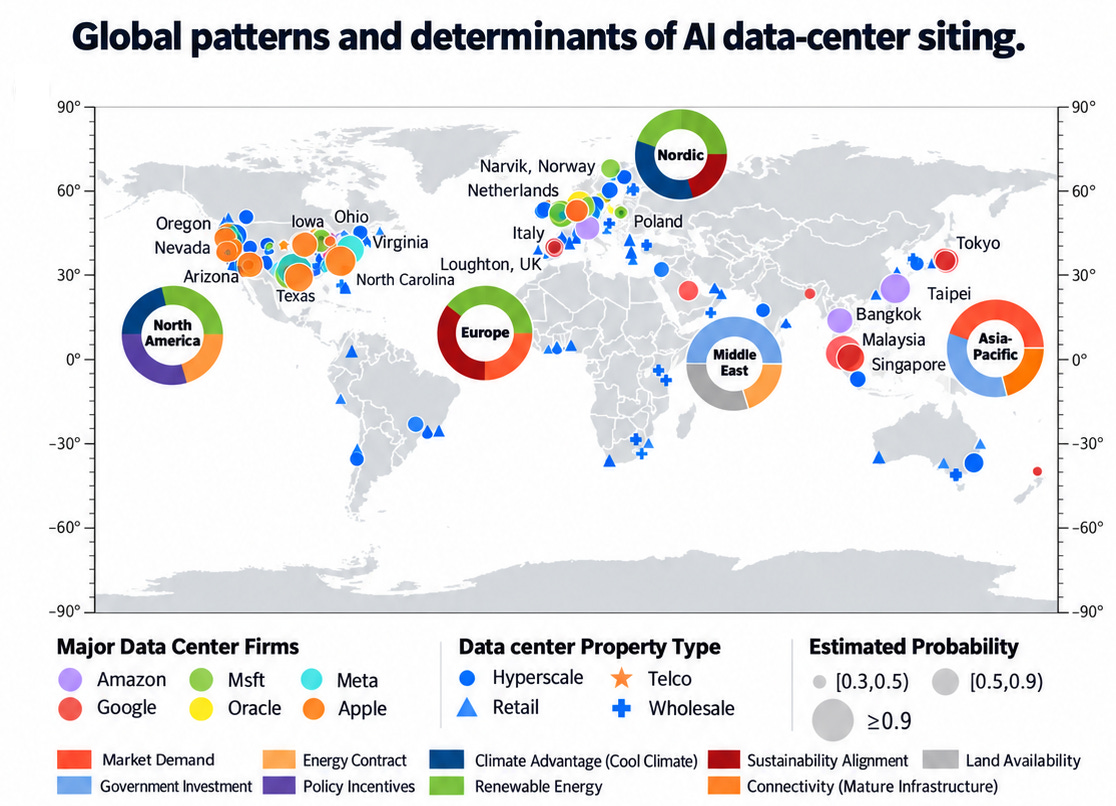
Five large technology companies spent more than $400 billion on capital investment in 2025, and the current trajectory implies another sharp increase in 2026. Data centres are the fastest-growing source of U.S. electricity demand. At the same time, the buildout is drawing increasingly on investment-grade debt, bank lending, private credit and long-duration project finance.
The pressure now appears in two markets at once. AI is scaling through electricity and capital, both of which have become binding inputs to the buildout. Grid queues, generation contracts and transformers reveal the physical constraint; debt issuance, wider AI-linked credit spreads and increasingly elaborate financing structures reveal the financial one.
The market has largely extrapolated both forms of scarcity forward. My concern is that the extrapolation assumes today’s energy and capital intensity of intelligence will remain high.
AI can keep becoming more useful while the scarcity value of the infrastructure used to produce it falls. The variables that decide the outcome are energy per useful task, the elasticity of demand when AI gets cheaper, and the amount of external capital required to finance each unit of AI output.