

September is a noisy month, and it is easy to assemble a convincing bearish case: equities face historical seasonal headwinds, a massive options expiry looms, the Fed reclaims the calendar, and sovereign borrowing costs press against multi-year highs. It is equally easy to dismiss each threat in isolation—seasonality is an average, options notional is not directional exposure, and elevated bond yields say more about the post-zero-interest-rate regime than next month’s market direction.
The true signal emerges only when these forces are evaluated together: markets are hitting a dense catalyst window precisely as structural absorptive capacity is being tested. Central banks are shrinking balance sheets, reserve managers are diversifying, and private AI investment is competing directly with record government borrowing. Price-insensitive buyers are gone; the investors replacing them demand a concession.
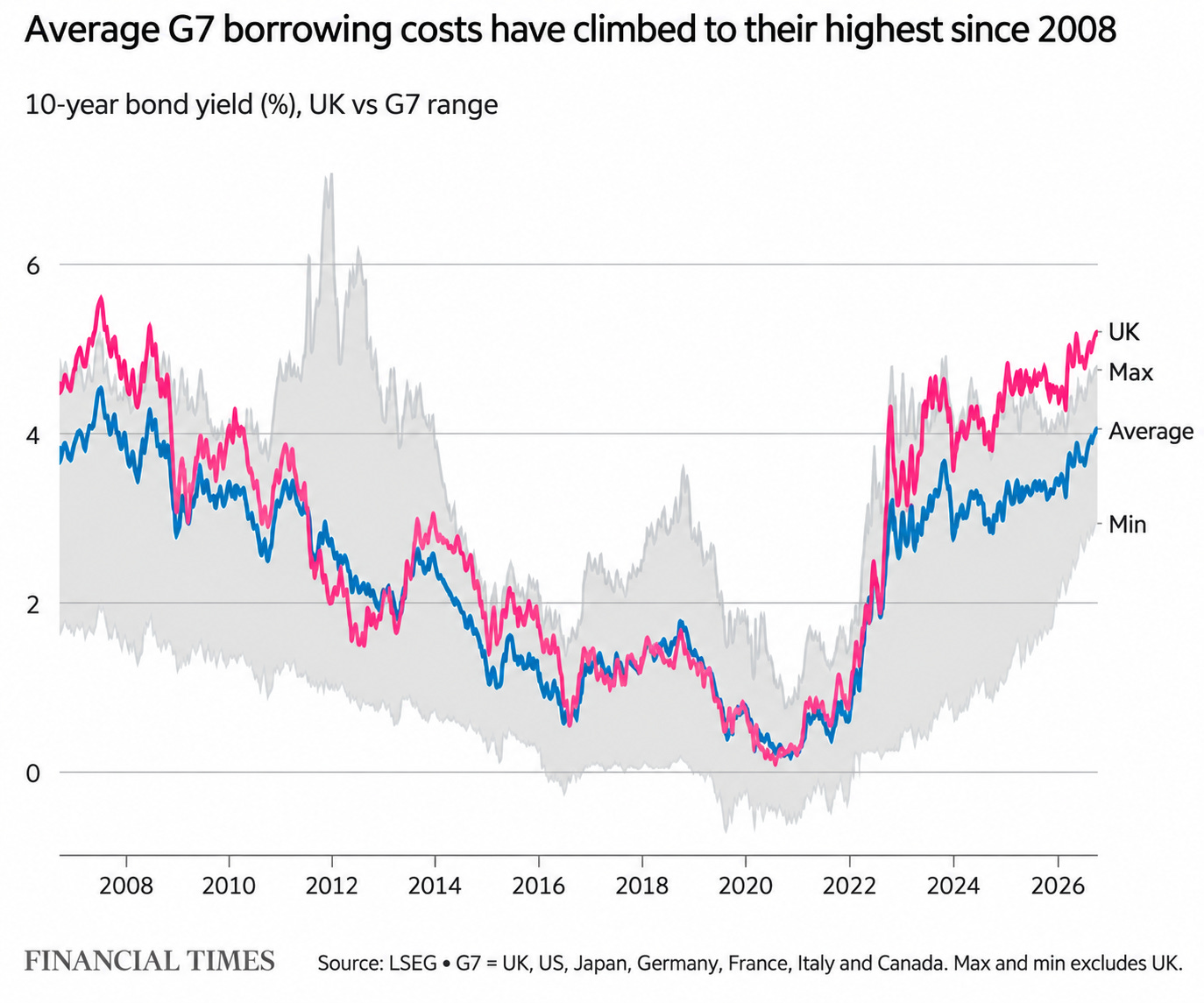
This environment demands a new macro framework to diagnose which variable is actually in command. When inflation cools and Treasury auctions clear smoothly, markets easily digest heavy issuance. But when long-term yields climb while policy rate expectations remain anchored, the term premium is doing the damage—investors are demanding real compensation for fiscal supply risk. Conversely, when yields tumble alongside widening credit spreads, supply concerns fade and economic growth becomes the dominant threat.
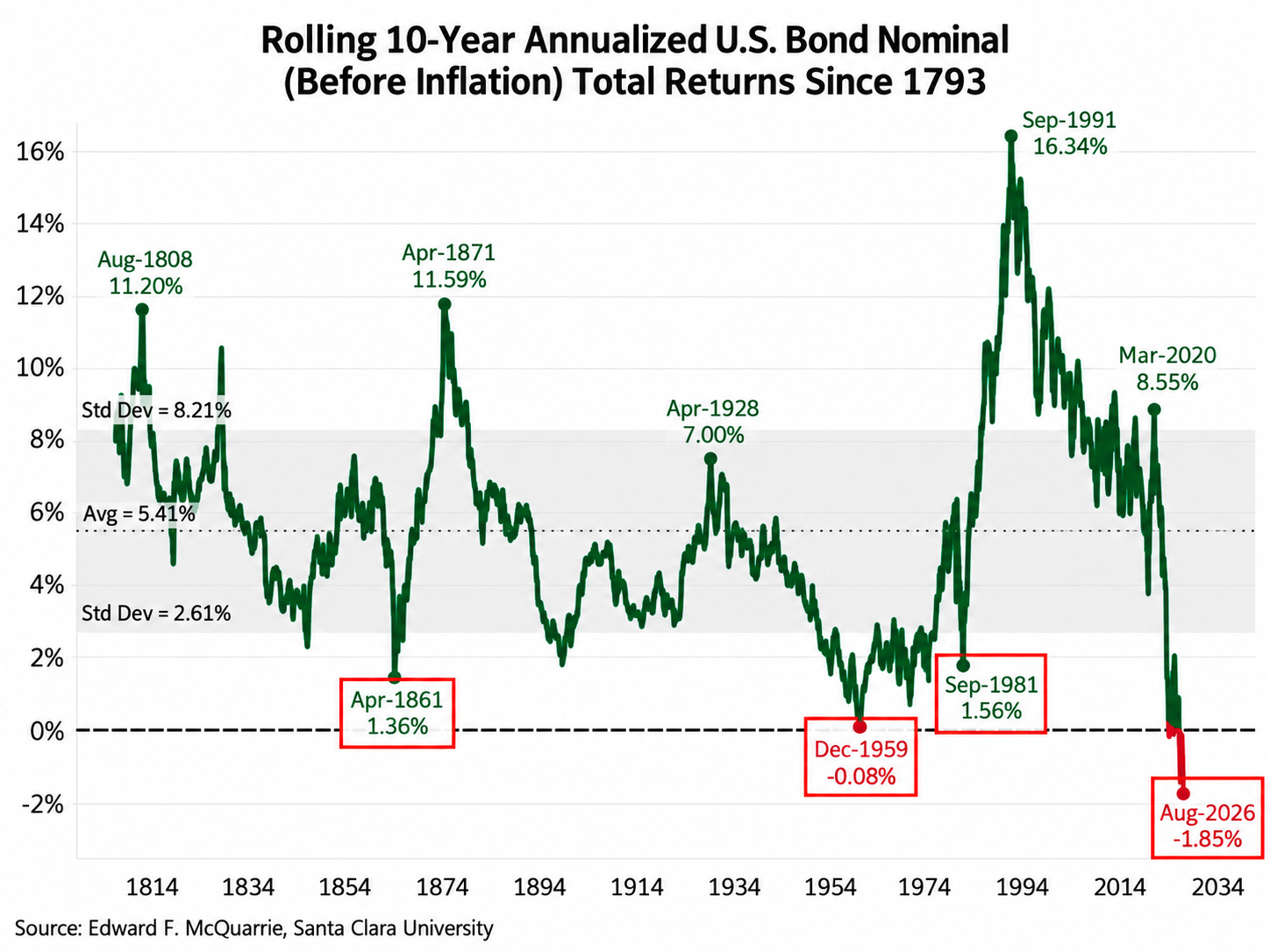
The traditional playbook—buying duration simply because Fed easing is near—is dangerously outdated. Investors can no longer treat yield moves as a simple vote on monetary policy; they must identify whether supply, term premium, or growth is running the show to position risk correctly.