

The mathematics, psychology and strategy of investing during market crashes — and why the pursuit of the perfect entry point may be one of the most expensive mistakes an investor can make.
The illusion of the perfect entry
Every market correction produces three types of investors.
The first buys the initial dip, exhausts their available capital and watches helplessly as prices continue to collapse. The second waits patiently for the ultimate bottom — a 40%, 60% or perhaps even an 80% decline — convinced that the market will eventually reward their patience. The third operates differently. They accept that the future is fundamentally uncertain and construct a strategy that can accommodate multiple outcomes.
It is the third approach that interests me most.
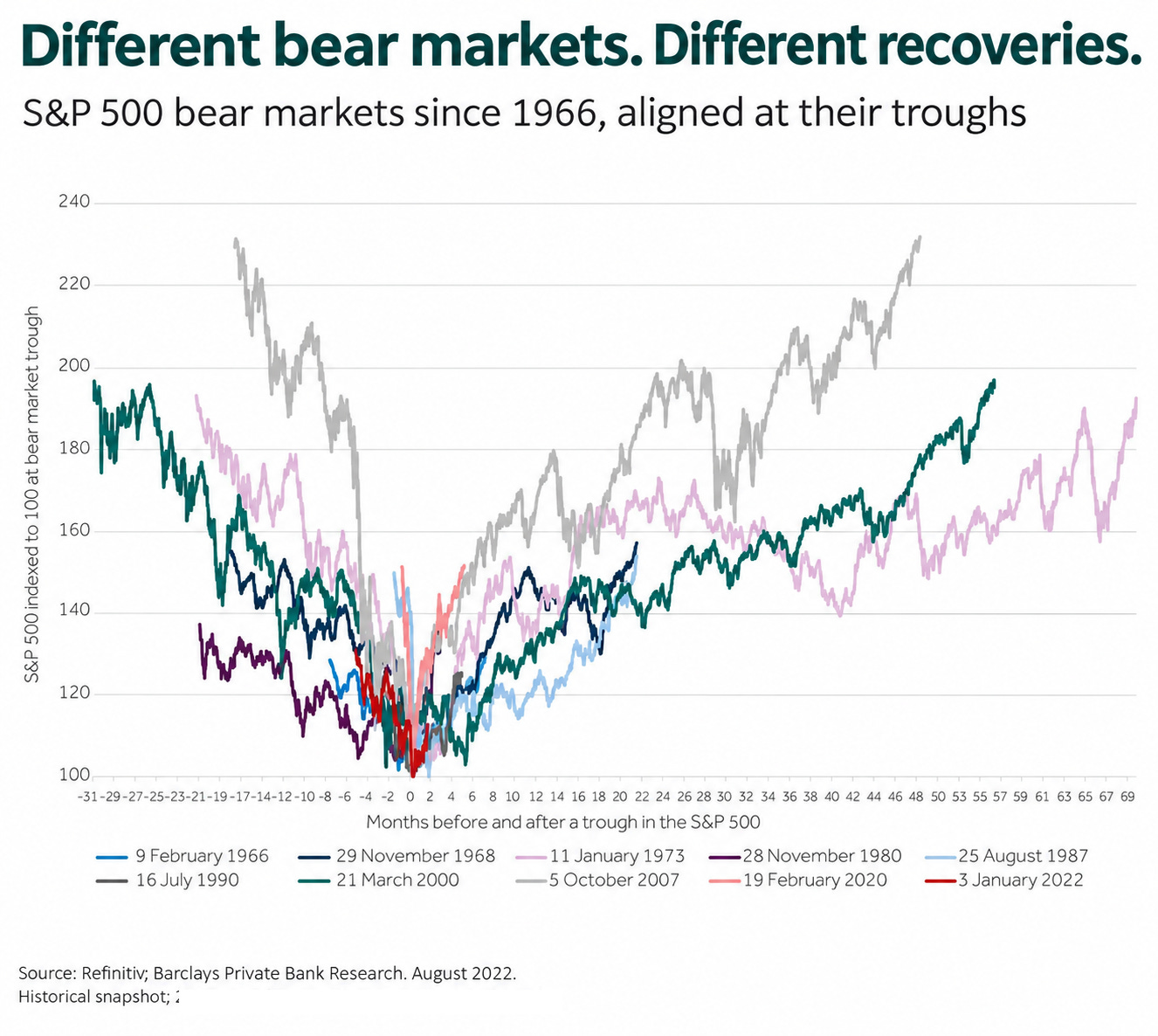
One of the great paradoxes of financial markets is that investors spend extraordinary amounts of time trying to answer a question that cannot be answered consistently: where exactly is the bottom?
In March 2009, investors feared a systemic banking collapse. In March 2020, the global economy was shutting down. In late 2022, some of the world’s most successful technology companies were being treated as businesses whose best years were behind them.
In retrospect, these periods produced extraordinary opportunities. In real time, however, they looked nothing like obvious buying opportunities.
The market does not announce that the bottom has arrived. By the time an investment opportunity feels psychologically comfortable, a significant portion of its upside may already have disappeared. But the opposite extreme is equally dangerous. Buying an asset simply because it has fallen 60% is not sophisticated investing. Many businesses that collapse never recover, and some apparently cheap companies are considerably more expensive than they were before the crash.
What if the most valuable skill in a bear market is not knowing when the selling will stop, but knowing what you will do if it doesn’t?
In the research that follows, I examine a counterintuitive finding from nearly a century of equity data, the cost of waiting for the perfect crash, why a falling stock can become more expensive, with the evidence that distinguishes a genuine bargain from a value trap.
In addition, I construct a practical capital-deployment model and explain when I would stop accumulating a position.
The objective is to develop a method of investing that makes predicting the bottom unnecessary.