

Convinced that persistent energy inflation and a hawkish leadership pivot under Federal Reserve Chair Kevin Warsh will force a return to monetary tightening, fixed-income desks have aggressively repriced Fed funds futures from rate cuts toward active rate hikes. Spot gold has been hammered back down toward $4,090 per ounce from its record $5,595 peak, while equity investors continue to carry an unprecedented $1.5 trillion in margin debt. Traders are leaning heavily on a legacy playbook: higher nominal yields suppress non-yielding store-of-value assets.
But this hawkish repricing misidentifies the regime. In a system operating under structural fiscal dominance, central banks lack the balance-sheet clearance to hike rates without destabilizing the sovereign debt model itself.
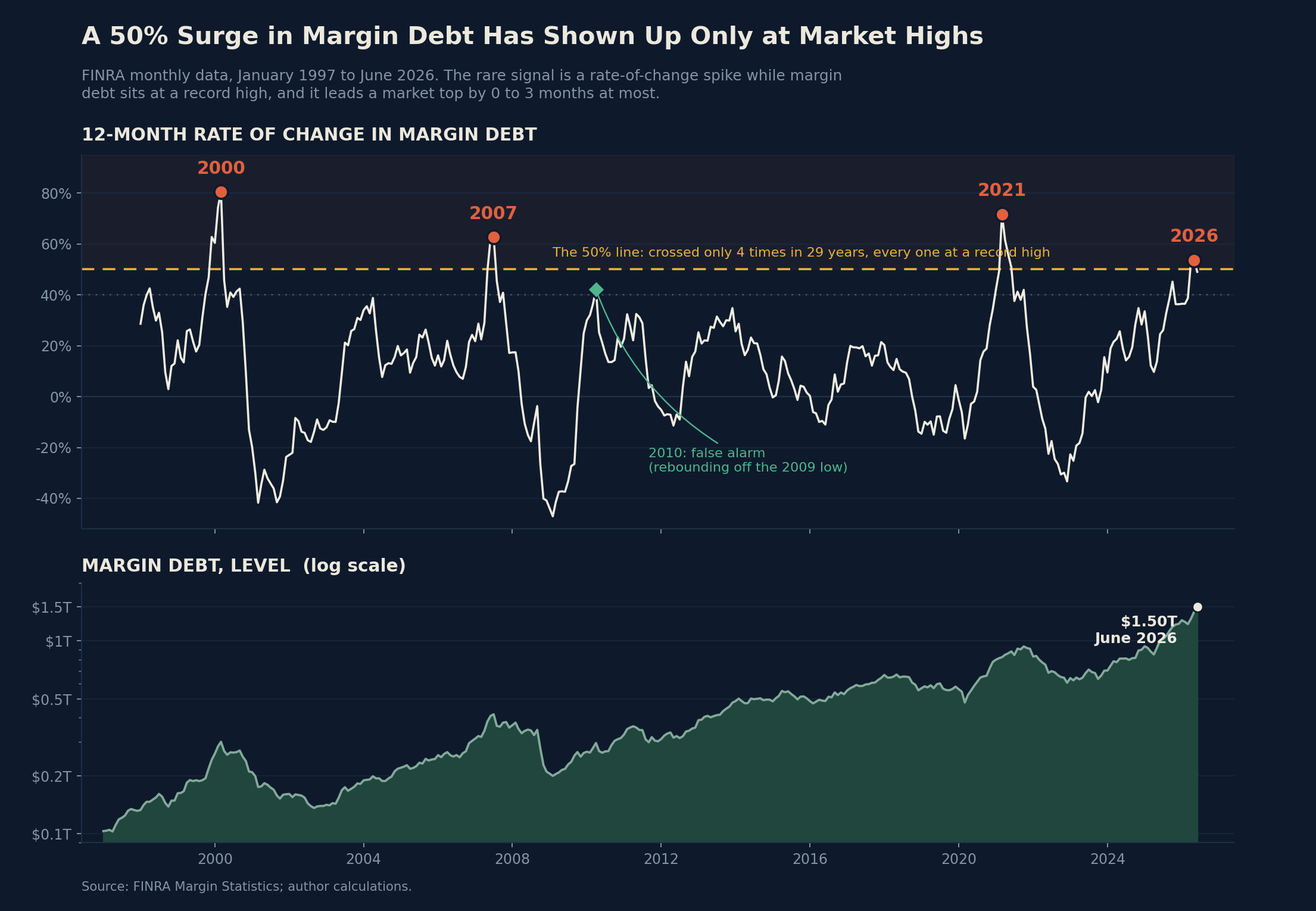
Markets are confusing hawkish rhetoric with operational policy capacity. While futures price higher terminal rates to combat supply-side commodity pressures, annual U.S. national debt service costs have breached $1.0 trillion—consuming roughly 19 cents of every single tax dollar collected. Every basis point of nominal tightening accelerates government deficits, compounding federal interest burdens and forcing the creation of secondary liquidity to absorb continuous Treasury issuance.
The short-term yield spike suppressing hard assets the terminal mispricing of a trapped central bank.